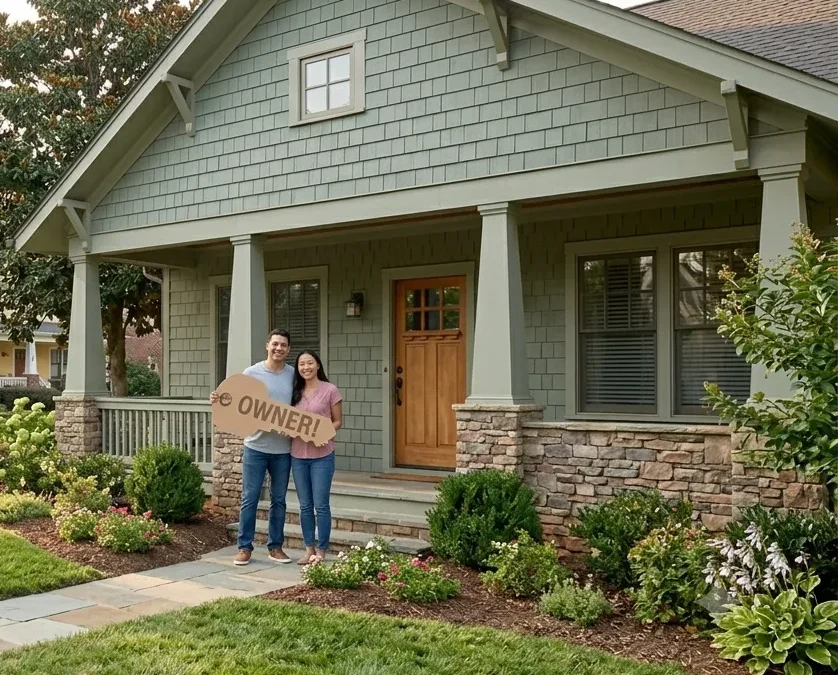
Many California first-time buyers walk away from homeownership before they even start because they think they need tens of thousands saved before they can even try.
The truth? You may need far less than you think. California has some of the most robust down payment assistance (DPA) programs in the country, and thousands of buyers use them every year to close on a home with very little out of pocket. Here’s what’s available right now, how these programs work, and how to figure out which one might be right for you.
Why Down Payment Assistance Matters More Than Ever
With the median home price in California still hovering well above $700,000 in many markets, even a 3.5% down payment can mean coming up with $24,000 or more before closing costs. That’s a real barrier, especially for buyers who are doing this for the first time.
According to Freddie Mac’s Primary Mortgage Market Survey, the 30-year fixed mortgage rate averaged 6.47% as of June 18, 2026, down from 6.81% a year earlier, while the 15-year fixed averaged 5.81%. Although borrowing costs remain above the historically low levels seen earlier in the decade, rates are modestly lower than a year ago. Combined with down payment assistance programs, the current rate environment may help improve affordability for some homebuyers.
The Big One: California Dream For All
The California Dream For All program, administered by the California Housing Finance Agency (CalHFA), is one of the most generous DPA programs in the country. It offers up to 20% of the purchase price — or up to $150,000 — to cover your down payment or closing costs.
In exchange, the state receives a share of your home’s appreciation when you sell or refinance. This is called a shared appreciation loan, and it’s what makes the program so affordable upfront: there are no monthly payments and no interest. You only repay the original amount plus the state’s share of appreciation when you eventually move on.
Eligibility requirements include:
- All borrowers must be first-time homebuyers
- At least one borrower must be a first-generation homebuyer (meaning neither you nor your parents have ever owned a home)
- At least one borrower must be a current California resident
The program opens in limited voucher rounds — demand is extremely high — so if you’re interested, working with a lender who can move quickly when the portal opens is essential.
CalHFA MyHome: Flexible and Stackable
If Dream For All isn’t available when you’re ready to buy, the CalHFA MyHome Assistance Program is a reliable alternative. MyHome provides a deferred-payment junior loan of up to 3.5% of the purchase price (for FHA loans) or 3% (for conventional loans) to help with your down payment and/or closing costs.
“Deferred” means no monthly payments — you repay the loan when you sell the home, refinance, or pay off your first mortgage. It’s a quiet second lien that simply helps you get in the door.
One of MyHome’s best features is that it can be stacked with other CalHFA programs. For example, combining it with the CalHFA ZIP (Zero Interest Program) — which provides up to 3% of the loan amount for closing costs at no interest — can help buyers cover nearly all of their upfront costs when used together with a CalPLUS FHA first mortgage. This kind of program layering is a legitimate, well-established strategy and something a knowledgeable broker can help you structure correctly.
GSFA Platinum: Open to More Buyers
The Golden State Finance Authority (GSFA) Platinum program fills an important gap: it’s available to low- and moderate-income buyers who aren’t necessarily first-timers, and it provides a second mortgage of up to 5.5% of the first loan amount to assist with down payment and closing costs.
If you’ve owned a home before but are starting fresh — or if you don’t qualify as a first-generation buyer — GSFA is worth exploring. Income limits apply and vary by county, but the program is broadly available across California.
What to Know Before You Apply
A few things to keep in mind as you start researching these programs:
Income and purchase price limits apply. CalHFA programs have county-specific income caps and maximum loan amounts (typically tied to conforming loan limits). Your mortgage professional can quickly tell you whether you qualify based on where you’re buying.
Your credit score matters. Most DPA programs require a minimum credit score of 640–660. If your score needs work, that’s worth addressing now — even a few months of focused credit improvement can expand your options significantly.
These programs move fast. Dream For All, in particular, releases vouchers in limited rounds that often close within days. Being pre-approved and working with a lender who knows these programs is what separates buyers who get assistance from those who miss the window.
DPA doesn’t mean “free money.” Most programs are deferred loans or shared appreciation agreements, not grants. Understanding the repayment structure before you commit is important — and it’s part of what a good mortgage advisor helps you think through.
Bottom Line
The down payment barrier is real, but it’s not insurmountable — especially in California, where purpose-built programs exist to help first-time buyers bridge the gap. Whether it’s the Dream For All’s generous shared appreciation structure, the flexibility of CalHFA MyHome, or the broader eligibility of GSFA Platinum, there’s likely a program worth exploring for your situation.
At PeachTree Financial, Peaches Jensen has been helping California buyers navigate programs like these since 1998. If you’re wondering whether you qualify — or just want to understand what your options look like before you start shopping — we’d love to talk. Reach out whenever you’re ready at peachtree-financial.com/contact/.
PeachTree Financial | NMLS #347071 | DRE #01259526